
Làm thế nào để bộ dụng cụ ống thông tĩnh mạch trung tâm đạt được mục đích y tế thông qua sức mạnh tổng hợp của các thành phần khác nhau?
Phân tích các thành phần cốt lõi của bộ
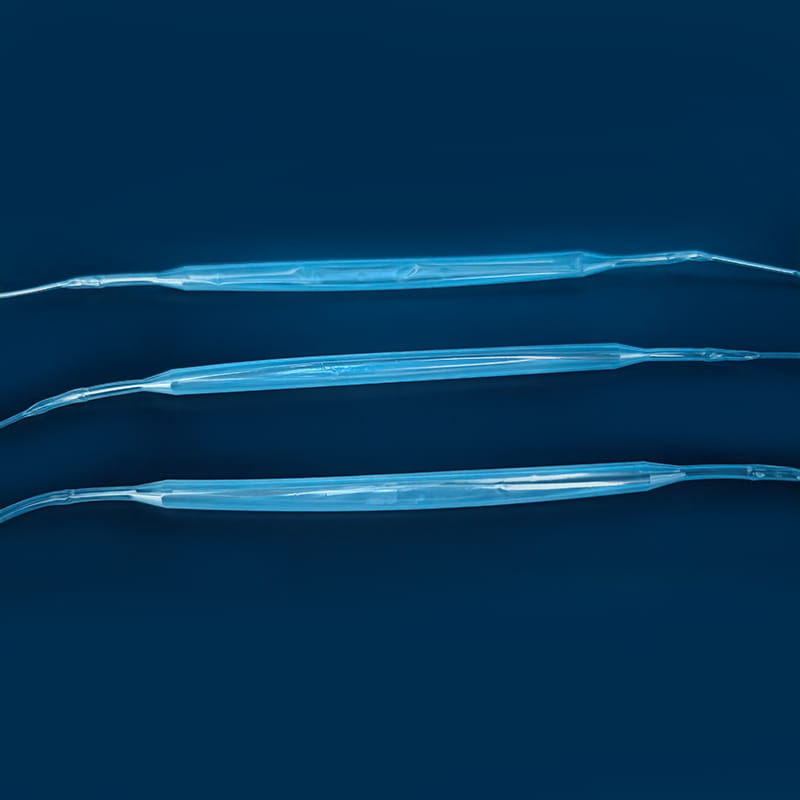
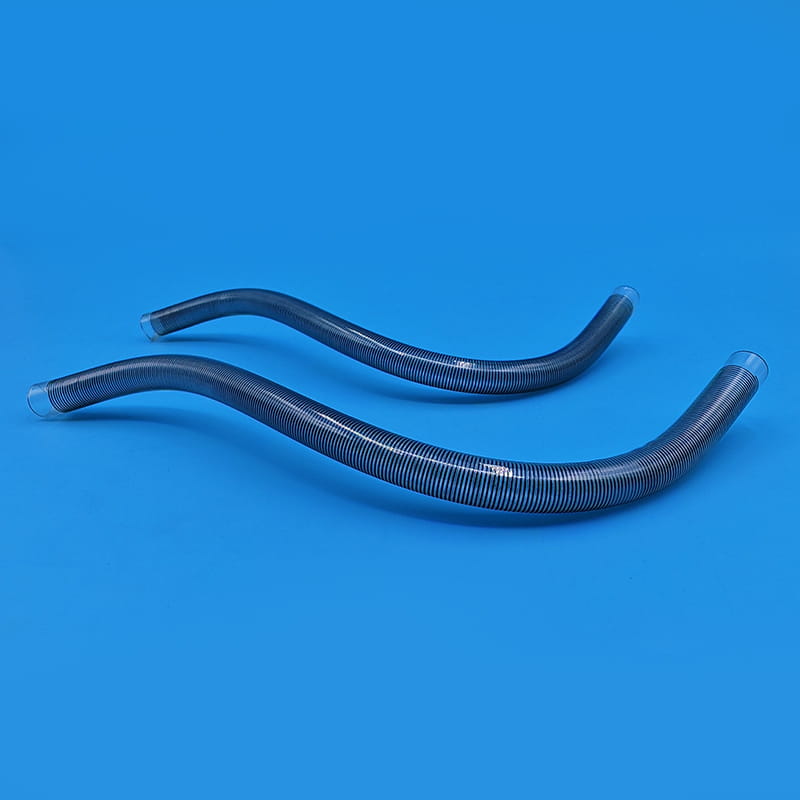
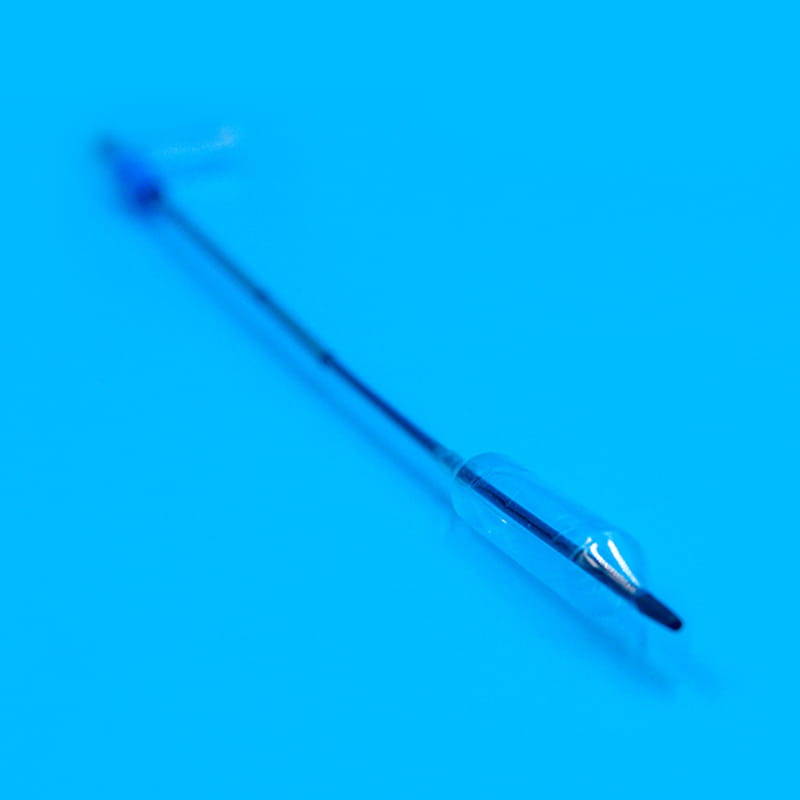
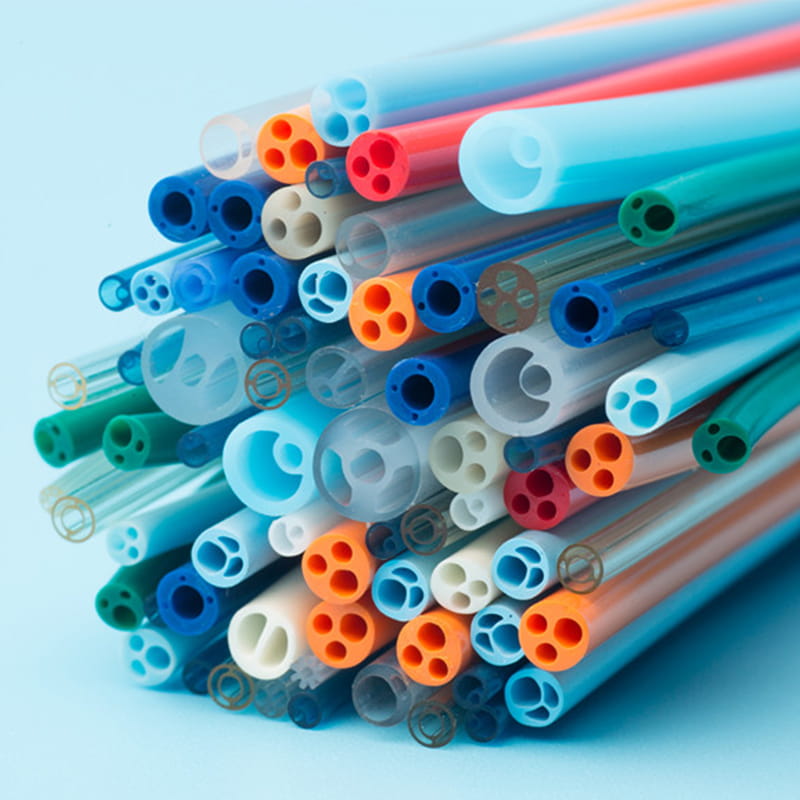
Các Bộ dụng cụ ống thông tĩnh mạch trung tâm Chứa một loạt các thành phần chính, mỗi thành phần đóng một vai trò độc đáo và không thể thay thế trong toàn bộ quá trình vận hành y tế. Đầu tiên là ống thông tĩnh mạch trung tâm, là thành phần cốt lõi của bộ sản phẩm và là kênh kết nối tĩnh mạch trung tâm bên ngoài cơ thể và bên trong cơ thể. Vật liệu của nó thường được làm bằng polyurethane cấp y tế hoặc silicone. Các vật liệu như vậy có khả năng tương thích sinh học tốt và có thể làm giảm hiệu quả sự từ chối của cơ thể cơ thể và giảm nguy cơ biến chứng như nhiễm trùng. Các loại ống thông tĩnh mạch trung tâm khác nhau có đặc điểm riêng của chúng trong cấu trúc và chức năng. Catheter đơn thân phù hợp cho các nhu cầu điều trị đơn lẻ, trong khi ống thông hai mặt hoặc nhiều ống có thể thực hiện nhiều hoạt động y tế khác nhau cùng một lúc, như truyền dịch, thu thập máu và quản lý thuốc, giúp cải thiện đáng kể hiệu quả và sự thuận tiện của các hoạt động y tế. Về thiết kế, một số bề mặt ống thông được xử lý bằng lớp phủ đặc biệt để tăng cường hơn nữa các đặc tính chống thrombotic; Một số cũng được đánh dấu bằng thang đo để tạo điều kiện cho nhân viên y tế nắm bắt chính xác độ sâu chèn.
Các cannula plays a pioneering role in the central venous catheter kit. When performing a central venous catheter insertion operation, the cannula is first used for percutaneous puncture into the vein. Its needle tip adopts a bevel cutting process. This design is sharp and precise, and can quickly and accurately penetrate the skin and vein wall with minimal resistance, opening a channel for the entry of subsequent components. The needle core and outer sleeve of the cannula needle are closely matched. When the cannula needle successfully enters the vein, the inner needle core is removed through a special separation mechanism, and the outer sleeve with a certain hardness and flexibility will remain in the vein as a guide channel for subsequent guide wires and other components to enter. To ensure the accuracy of puncture, some cannula needles are also equipped with ultrasound guidance adapters, which can be used with ultrasound equipment to observe the puncture path and blood vessel status in real time.
Các guidewire is a key tool for precise positioning and guidance in the central venous catheter kit. After the cannula needle establishes the initial channel, the guidewire will be sent into the vein through the cannula. The outer layer of the guidewire is usually woven from medical-grade stainless steel wire, and the inner layer is a nickel-titanium alloy core. This structure gives the guidewire good flexibility and maneuverability. Doctors can use the J-shaped or straight head design of the guidewire tip to flexibly turn and guide it in the blood vessel through in vitro operation, and accurately send it to the target position. Some high-end guidewires also have a hydrophilic coating, which becomes lubricated after contact with blood, further reducing friction damage to the inner wall of the blood vessel. The existence of the guidewire makes the insertion path of the central venous catheter clearer and more controllable, laying a solid foundation for the smooth insertion of the subsequent catheter.
Các role of the dilator in the central venous catheter kit should not be ignored. Since the diameter of the vein is relatively thin, and the central venous catheter needs to be smoothly inserted, it is necessary to properly dilate the vein. The dilator usually adopts a conical or cylindrical design, and the material is mostly medical-grade polyethylene. It can enter the vein along the guidewire and expand the channel of the venous puncture site by gradually expanding. During the expansion process, the smooth surface treatment and gradual caliber design of the dilator can reduce damage to the venous tissue while ensuring effective expansion. For special patients, such as those with thin blood vessel walls or sclerosis, there are also special controllable dilators available, and doctors can accurately adjust the expansion strength and range according to actual conditions.
Các peelable sheath is an important part of the central venous catheter kit to ensure the safe insertion of the catheter. After the dilator completes the dilation of the vein, the peelable sheath will be sent into the vein along the guidewire and dilator. The peelable sheath consists of two symmetrical half sheaths connected by a special locking structure in the middle. When the peelable sheath reaches the appropriate position, the central venous catheter will be inserted into the vein through the sheath. At this time, the medical staff will separate the peelable sheath from the middle lock and remove it from the body through a specific operation technique, while the central venous catheter will be left in the vein. This unique design not only ensures the smooth catheter insertion process, but also avoids unnecessary damage to the vein and catheter. To prevent accidental scratches on the surrounding tissue when the sheath is peeled off, the edge of the sheath is specially rounded and blunted.
Các fixing device plays a role in stabilizing and fixing the catheter in the central venous catheter kit. In order to ensure that the central venous catheter can maintain a stable position in the patient's body for a long time without displacement or falling off, fixing devices such as sutures, sterile dressings or special catheter fixers will be used to fix the catheter to the patient's skin. The suture fixation method is suitable for patients with long-term catheterization. The catheter is fixed to the skin tissue through delicate suturing operations; the sterile dressing is breathable, waterproof and antibacterial, and can effectively protect the puncture site; the dedicated catheter fixator is made of medical-grade silicone or polymer materials, and can be personalized according to the patient's skin morphology and catheter model through an adjustable buckle design. Appropriate fixation can not only ensure the normal function of the catheter, but also reduce the discomfort and potential risks caused to the patient by the movement of the catheter.
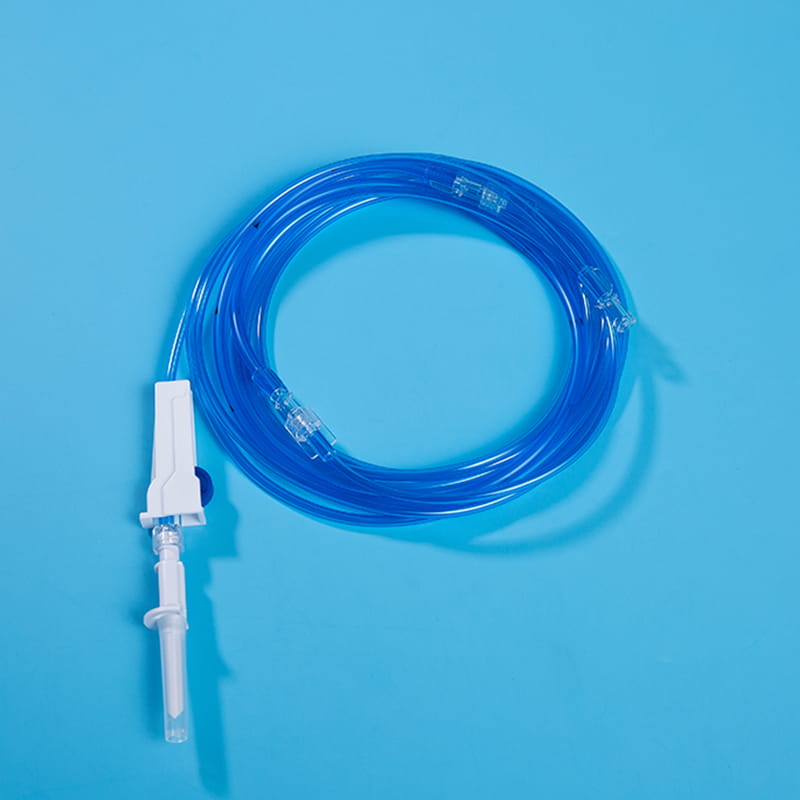
Các interface for external connection is the bridge between the central venous catheter and external medical equipment. Through these interfaces, the central venous catheter can be connected to infusion sets, syringes and other equipment to achieve various medical operations such as infusion, drug administration, and blood collection. The design of these interfaces has good sealing and compatibility, and common ones include Luer connectors and needleless infusion connectors. The Luer connector is connected by threads to ensure a tight connection without leakage; the needleless infusion connector adopts a diaphragm design, which can complete the infusion operation without acupuncture, reducing the risk of infection. At the same time, some interfaces also have anti-backflow function to prevent blood from reflux and blocking the catheter, and support multiple devices to be connected at the same time to meet complex clinical needs.
Một loạt các kịch bản ứng dụng lâm sàng
Trong các ứng dụng y tế thực tế, các kịch bản sử dụng của bộ dụng cụ ống thông tĩnh mạch trung tâm rất rộng. Trong lĩnh vực chăm sóc đặc biệt, đối với những bệnh nhân có tình trạng nguy kịch cần một lượng lớn truyền dịch và thuốc thường xuyên, ống thông tĩnh mạch trung tâm có thể cung cấp một kênh truyền dịch nhanh chóng và ổn định để đáp ứng nhu cầu của bệnh nhân về chất lỏng và thuốc. Lấy bệnh nhân bị sốc nhiễm trùng làm ví dụ, trong quá trình cứu hộ, một lượng lớn chất lỏng tinh thể, chất lỏng keo và thuốc vận mạch cần được bổ sung trong một thời gian ngắn. Catheter tĩnh mạch trung tâm có thể đảm bảo rằng các chất lỏng và thuốc này nhanh chóng đi vào lưu thông máu và nhanh chóng điều chỉnh trạng thái sốc. Đồng thời, theo dõi huyết động cũng có thể được thực hiện thông qua ống thông tĩnh mạch trung tâm. Bác sĩ kết nối cảm biến áp suất với giao diện ống thông để thu được các thông số như áp lực tĩnh mạch trung tâm và áp lực nêm động mạch phổi trong thời gian thực, giúp các bác sĩ hiểu chức năng tim và tình trạng lưu thông máu của bệnh nhân trong thời gian thực và cung cấp một cơ sở quan trọng để xây dựng các kế hoạch điều trị chính xác.
Trong điều trị khối u, nhiều loại thuốc hóa trị có độ kích thích cao đối với các mạch máu và quản lý thông qua các tĩnh mạch ngoại vi có thể gây ra các biến chứng như bệnh dẫn đầu. Bộ dụng cụ ống thông tĩnh mạch trung tâm có thể đặt ống thông vào tĩnh mạch trung tâm, cho phép các loại thuốc hóa trị trực tiếp vào các mạch máu lớn và nhanh chóng được pha loãng, do đó giảm kích ứng các mạch máu, giảm khả năng biến chứng và cải thiện khả năng điều trị và tuân thủ của bệnh nhân. Ví dụ, những bệnh nhân ung thư vú dùng các loại thuốc hóa trị gây kích thích cao như doxorubicin có thể sử dụng ống thông tĩnh mạch trung tâm để tránh hiệu quả những hậu quả nghiêm trọng như hoại tử da và loét mô gây ra do ngoại tình. Đồng thời, đối với những bệnh nhân cần hóa trị lâu dài và nhiều hóa trị, ống thông tĩnh mạch trung tâm làm giảm đau đớn lặp đi lặp lại và cải thiện tính liên tục của điều trị.
Ngoài ra, trong liệu pháp hỗ trợ dinh dưỡng, ống thông tĩnh mạch trung tâm có thể được sử dụng để hỗ trợ dinh dưỡng toàn bộ cho bệnh nhân không thể dùng đủ dinh dưỡng thông qua đường tiêu hóa, chẳng hạn như bệnh nhân bị hôn mê lâu dài và bỏng nặng. Cho giải pháp dinh dưỡng có lượng calo cao, nồng độ cao thông qua tĩnh mạch trung tâm có thể đáp ứng nhu cầu của cơ thể bệnh nhân về chất dinh dưỡng và thúc đẩy sự phục hồi của bệnh nhân. Lấy bệnh nhân bị bỏng rộng làm ví dụ, chức năng tiêu hóa của họ bị ức chế do chấn thương, và họ không thể tiêu hóa và hấp thụ thực phẩm bình thường. Tại thời điểm này, dung dịch dinh dưỡng tất cả trong một có chứa axit amin, nhũ tương béo, glucose và các thành phần khác được cung cấp thông qua ống thông tĩnh mạch trung tâm để duy trì cân bằng nitơ của bệnh nhân, bổ sung năng lượng theo yêu cầu của cơ thể và tăng tốc chữa lành vết thương. Đồng thời, nhân viên y tế cũng có thể theo dõi các chất điện giải của bệnh nhân, lượng đường trong máu và các chỉ số khác thông qua ống thông tĩnh mạch trung tâm và điều chỉnh kế hoạch hỗ trợ dinh dưỡng kịp thời.
Quy trình vận hành nghiêm ngặt và được tiêu chuẩn hóa
Các operating procedures of the central venous catheter kit need to strictly follow the specifications and standards. Before the operation, the doctor needs to conduct a comprehensive assessment of the patient's condition, including the patient's age, weight, underlying diseases, coagulation function, etc., and select the appropriate puncture site and central venous catheter type. Common puncture sites include the internal jugular vein, subclavian vein and femoral vein. Different sites have their own advantages and disadvantages, and they need to be carefully selected according to the specific situation of the patient. At the same time, detailed explanations and communication should be given to the patient, and the patient should be informed of the operation process, possible risks and key points of cooperation to obtain the patient's cooperation. During the operation, the principle of aseptic operation must be strictly followed. The puncture site must be disinfected with iodine more than three times, and the diameter of the disinfection range must not be less than 15 cm. A large sterile sheet must be laid to ensure that the entire operation is carried out in a sterile environment. Then follow the steps of trocar puncture, guide wire insertion, dilation with a dilator, insertion of a removable sheath, insertion of a central venous catheter, fixation of the catheter, and connection of an external interface. Taking internal jugular vein puncture as an example, under ultrasound guidance, after determining the puncture point, the trocar is inserted at an angle of 30-45 degrees. After seeing the blood return, it is confirmed that it is in the vein, and then the subsequent components are inserted according to the process. After the operation is completed, the patient needs to be closely observed and cared for, and the patient must be monitored for complications and treated in a timely manner. This includes observing whether the puncture site is red, swollen, or exuded, and changing the dressing regularly; monitoring the patient's body temperature, blood routine, and other indicators to determine whether an infection has occurred; evaluating the function of the catheter to ensure smooth infusion, blood collection, and other operations.
Những thách thức và rủi ro phải đối mặt
Mặc dù bộ dụng cụ ống thông tĩnh mạch trung tâm đóng một vai trò quan trọng trong lĩnh vực y tế, nhưng chúng cũng phải đối mặt với một số thách thức và rủi ro trong quá trình sử dụng. Nhiễm trùng là một trong những biến chứng phổ biến nhất của ống thông tĩnh mạch trung tâm. Vì ống thông bị bỏ lại trong cơ thể trong một thời gian dài, nên dễ dàng cho vi khuẩn và các vi sinh vật khác xâm lấn, khiến nhiễm trùng cục bộ hoặc nhiễm trùng hệ thống. Vi khuẩn chủ yếu xâm nhập vào cơ thể thông qua việc thực dân hóa da tại vị trí thủng, ô nhiễm đầu nối ống thông và ô nhiễm hệ thống truyền dịch. Huyết khối cũng là một vấn đề không thể bỏ qua. Catheter có thể kích thích nội mạc mạch máu trong mạch máu, gây ra những thay đổi trong đông máu, do đó tạo thành một huyết khối. Once the thrombus falls off, it may cause serious complications such as pulmonary embolism. Ngoài ra, các vấn đề như tắc nghẽn ống thông và dịch chuyển cũng có thể ảnh hưởng đến việc sử dụng bình thường và hiệu quả điều trị của ống thông tĩnh mạch trung tâm. Chặn ống thông có thể được gây ra bởi sự lắng đọng thuốc, đông máu, vv .; Dịch chuyển ống thông có thể liên quan đến các yếu tố như hoạt động của bệnh nhân không đúng và cố định lỏng lẻo.
For more information, please call us at +86-18913710126 or email us at .
Ống polyimide đã trở nên không thể thiếu trong kỹ thuật thiết bị y tế hiện đại. Từ ống thô...
Tìm hiểu về ống bọc bảo vệ dây dẫn hướng dẫn FEP Các thủ tục y tế xâm lấn tối thi...
A ống bơm nhu động y tế là bộ phận truyền chất lỏng chuyên dụng được thiết kế để ph...
Sự phát triển của công nghệ hình ảnh ống thông Các thủ thuật xâm lấn tối thiểu đã biến đ...
Tìm hiểu về ống thông y tế trong chăm sóc sức khỏe hiện đại Các thiết bị y tế đã cách mạ...
Một ống thông thẳng có thể tiếp cận hầu hết đường thở, nhưng centimet cuối cùng vào nhánh mở...